Between Radolfzell and Stein am Rhein, the Höri peninsula extends into the Untersee. Its three municipalities are Moos, Gaienhofen and Öhningen. Between them lie reed-lined shores, meadows, vegetable fields and the wooded Schienerberg.
The peninsula lends itself to walks, cycle rides and museum visits. Anyone expecting nightlife, major shopping streets or a packed cultural programme would be better off in a larger town or city.
Between the shore and the Schienerberg
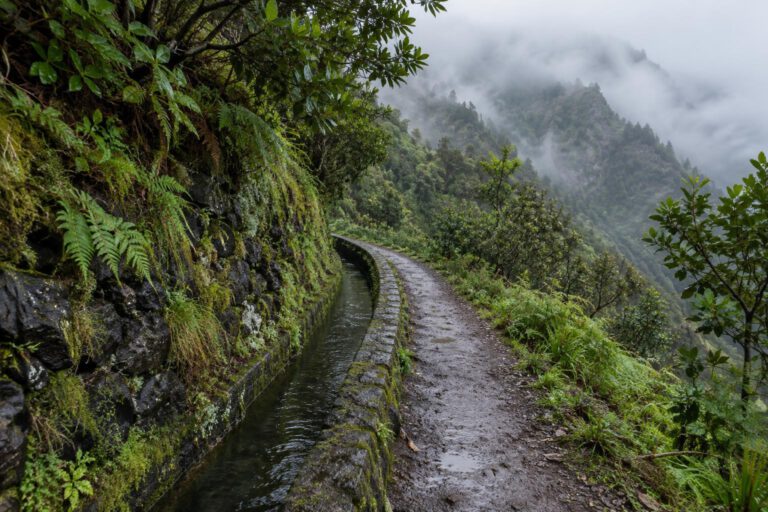
Along the lake, reed-lined shores alternate with small swimming spots and views across the Untersee. Inland rises the Schienerberg, which reaches 708 metres according to the Westlicher Bodensee tourism organisation. Large parts of the Höri are designated nature reserves or protected landscapes. Shorelines and protected areas provide habitats for plants and animals: stay on marked paths and keep out of sensitive shoreline areas.
Walkers and cyclists can choose individual sections of routes; boats offer shortcuts, depending on the service. Operating seasons and timetables vary. For those arriving by train, Radolfzell is a convenient starting point; onward travel should be planned using the current bus timetable.
Artists’ haunts on the Untersee
Hermann Hesse lived in Gaienhofen from 1904 to 1912. The Hesse Museum is dedicated to him and to the peninsula’s literary and artistic scene. The site of his first house forms part of the museum; his later home is a separate visitor attraction, accessible only on certain dates.
Otto Dix lived and worked in Hemmenhofen from 1936 to 1969. His former home and studio is now the Museum Haus Dix. After being dismissed from his teaching post by the Nazi regime, he retreated to Lake Constance. The Höri provided a landscape, a place to work and a refuge. Check seasonal opening hours before visiting the museums.
The Bülle is part of everyday life
The Höri-Bülle (a local onion variety) is a pale reddish-brown onion with a flattened, rounded shape. Traditionally grown on the peninsula, it is registered as a Protected Geographical Indication. It works well in salads and regional onion dishes; in autumn, visitors will also find it woven into plaits. Alongside tourism and artistic heritage, vegetable growing shapes the Höri.
Spring and autumn are good seasons for walking and cycling trips. In summer, the lake and lakeside bathing areas take centre stage, though visitors should also expect more day-trip traffic. The Höri is particularly well suited to travellers who want to spend a few days at their own pace: by the water, among villages and fields, with time for a museum.
Original reviewed by the editors · 7 November 2026