A cycling holiday often becomes hard work when the dream route comes first and your own circumstances are considered only later. For 2027, a different order helps: establish how many days you have and what you can comfortably manage, factor in luggage and accommodation, check travel arrangements – and only then choose the route. This keeps the tour flexible without turning every day into a mileage target.
1. Set the parameters
How many full cycling days do you actually have available? Allow for travel to and from your destination, as well as a possible buffer. Then decide whether to stay somewhere different each night or take day trips from a fixed base. The ADFC identifies the second option as a possible form of cycling holiday, particularly for families and beginners.
Also establish who is coming and how much experience the group has of multi-day tours. Stages should suit the person who rides most slowly or finds the riding most demanding. An e-bike can make climbs easier, but it is no substitute for appropriate breaks or realistic daily planning.
2. Only then look for a route
Start by choosing a region or theme – a river landscape, the coast or a particular cultural landscape, for example. Long-distance cycle routes, regional touring websites and maps can then help you choose. The ADFC recommends distinguishing between ready-made route suggestions and routes you put together yourself. When combining routes yourself, check path quality, traffic and possible diversions.
Do not compare distances alone. Elevation, surfaces, traffic, places to stop and detours all change the character of a stage. Plan shorter distances for the first and last cycling days if you are travelling to your destination or home on the same day. Leave room for the weather, a longer stop or a rest day, too.
3. Treat luggage as a planning factor
Travelling light makes a multi-day tour easier, but the right amount of luggage depends on whether you will wash clothes along the way, cook for yourself or change accommodation every day. First write down the essentials: clothing for changeable weather, personal items, food and the equipment needed for minor repairs. Try out your loaded pannier before the trip and check that everything is securely attached.
If you are carrying a lot of luggage, plan more modest stages accordingly. Tents, cooking equipment or special types of bicycle require additional thought about storage space and transport. The ADFC also lists luggage, tools, navigation and accommodation among the topics at its event on planning an independent cycling holiday in Köln on 2 December 2026.
4. Match overnight stops to the ends of your stages
Decide whether you want to find somewhere to stay as you go or prefer fixed stages with accommodation booked in advance. At popular destinations and during holiday periods, finding somewhere at short notice can be more difficult; the ADFC advises careful planning and early reservations in these cases. Check that each property offers secure bicycle storage and that your arrival time is realistic for the day’s distance.
Staying at a fixed base means you do not have to pack every day. However, your planned excursions must work as circular rides or have a suitable return journey. On a point-to-point tour, what matters is being able to reach suitable accommodation at the end of each stage.
5. Cross-check travel and bicycle transport first
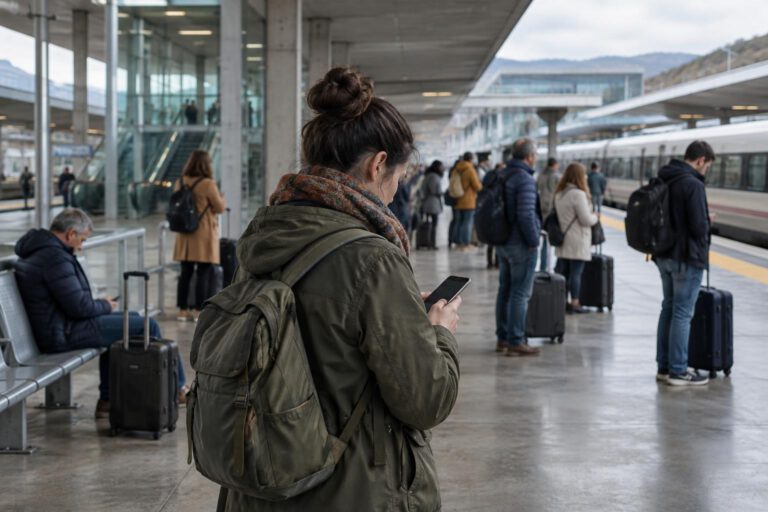
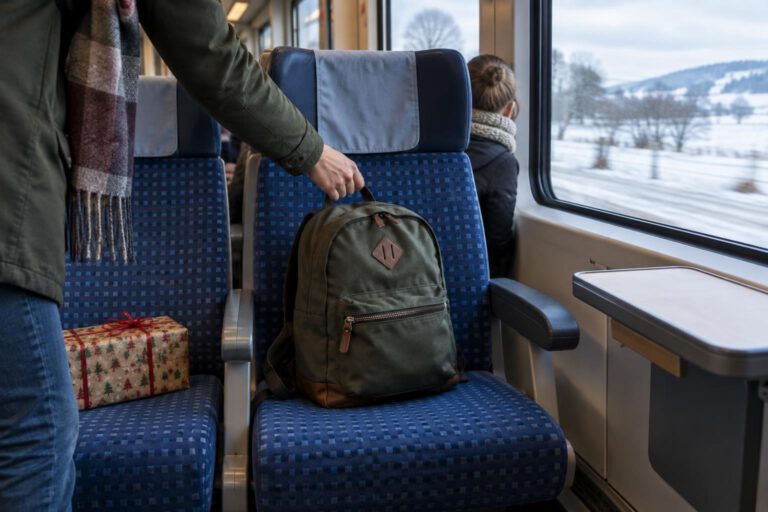
If you want to take your own bicycle on a long-distance train, check the specific service before making firm accommodation bookings. According to Deutsche Bahn, bicycles on long-distance services require a bicycle ticket and a reserved space; both must be booked in advance. DB says bookings open up to six months before travel. For local and regional services, rules vary by federal state and transport association.
Choose services with enough time to change trains, and check that bicycles are allowed on every leg of the journey. If no suitable bicycle space is available, options include travelling on a different day, taking an alternative service or hiring a bicycle at your destination. Check the rules and availability for your specific journey again before booking.
At a glance
First establish your available time, group and day-to-day fitness; then choose the region and route. Luggage, accommodation and travel arrangements belong in the same plan. Reserve a bicycle ticket and space for long-distance trains, and check local rules for local and regional services.
Original reviewed by the editors · 11 November 2026