To see Heligoland’s grey seals in winter, take the Dünenfähre ferry from the main island to Düne and check the current walking routes as soon as you reach the landing stage. In winter, the pups and their mothers lie on the beaches there. The municipality of Helgoland and Verein Jordsand manage access according to conditions on the ground: the more animals there are on the beach, the more important the designated paths and viewing points become.
The pupping season runs roughly from November to the end of January. As of 13 November 2026, the municipality reported 35 pups. Such interim figures reflect the count on that particular day, not the number of animals visitors will actually see during a visit.
1. Plan your journey and ferry crossing
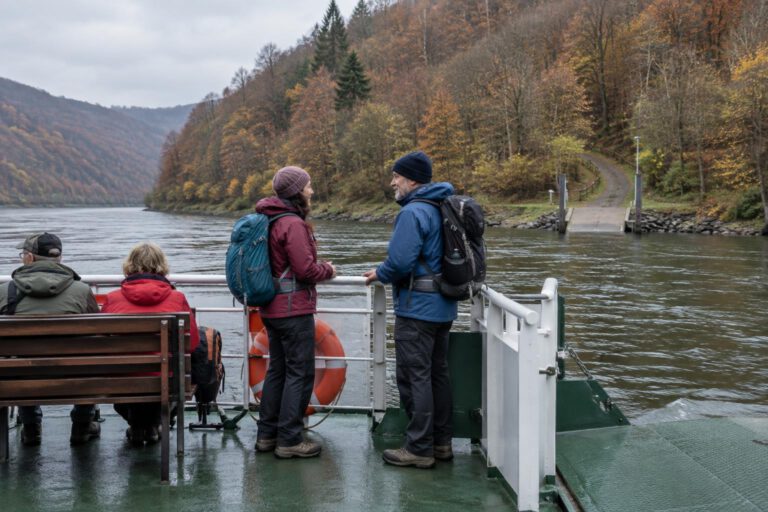
According to the tourist service, Heligoland can only be reached from Cuxhaven in winter; the timetable for November 2026 to early March 2027 is dated 6 November 2026. For the short crossing from the main island to Düne, the Dünenfähre departs from either Landungsbrücke or Nord-Ost-Hafen, depending on the weather. The winter timetable provides for regular sailings from 8am to noon and from 1pm to 4.30pm; there is no sailing at 12.30pm. Wind, weather and special timetables may mean changes. Check the notices before departure and plan your return crossing too.
2. Ask before visiting the beach
At the landing stage on Düne, municipal rangers and Verein Jordsand staff provide information about accessible paths and closed sections of beach. Pay attention to the announcement on the Dünenfähre too. The number of animals and the water level may mean that parts of the beach are temporarily off limits.
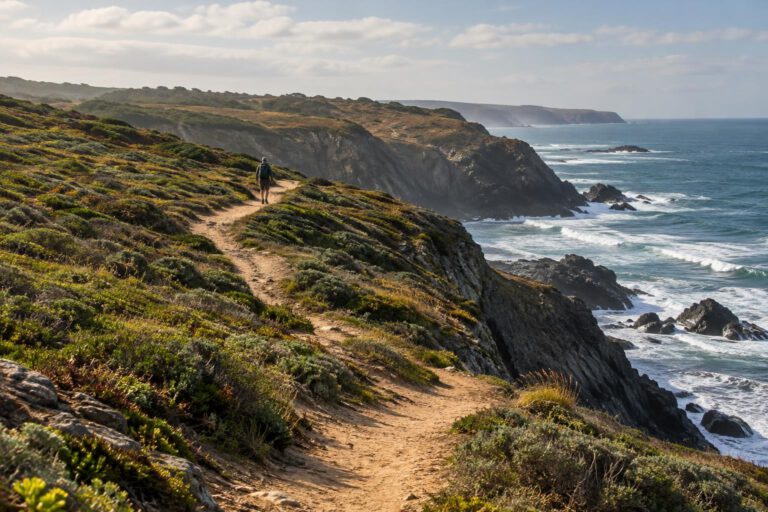
The Wintererlebnispfad (winter discovery trail) leads to viewing points, including the Panoramaweg along the dune ridge at Nordstrand. According to the municipality, using it becomes compulsory as soon as the number of pups makes this necessary. Follow the route currently signposted. The regular nature trail is waymarked; additional guidance applies to winter visitors.
3. Keep your distance and do not crowd the animals
In freely accessible areas, you must keep at least 30 metres away from grey seals and harbour seals. Do not approach any closer, even if a pup appears to be lying alone. Do not block the animals’ route from the water onto land or back into the water. Adult animals can react aggressively, particularly during the mating season; stay away from fights.
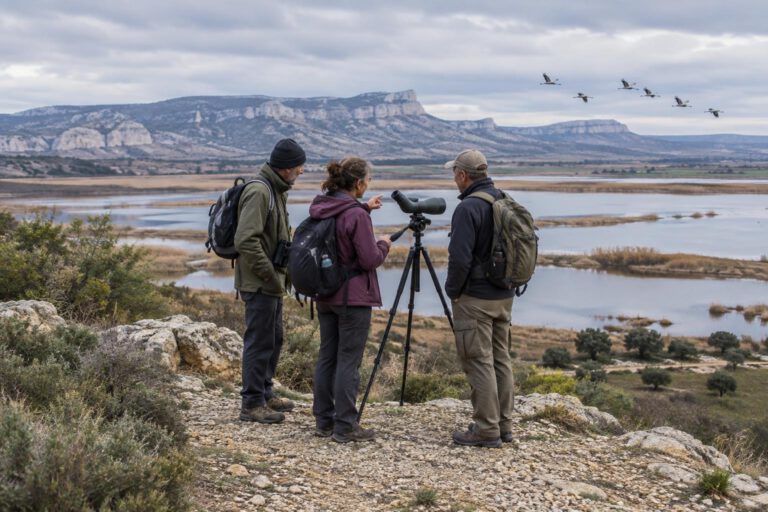
Disturbance disrupts the peace needed for mothers and pups to bond. The municipality recommends binoculars for watching the seals; a mobile phone will usually capture only limited images from a safe distance. If you would like to join a guided tour, you can find out about those offered by the municipality and Verein Jordsand.
4. Dress warmly and keep your plans flexible
On Düne, you are outdoors and exposed to North Sea conditions. Warm, windproof and weatherproof clothing and sturdy footwear are therefore essential. Ferry sailings may be cancelled if the weather changes. If you are travelling with children, explain the rule about keeping your distance before heading to the beach, and stay together on the designated path.
At a glance
The pupping season runs roughly from November to the end of January. In winter, mainland connections to Heligoland depart from Cuxhaven; a weather-dependent ferry runs to Düne. Ask the rangers on site about paths, observe closures and keep at least 30 metres away from the animals. Timetables, guidance and beach access may change.
Original reviewed by the editors · 15 November 2026