In the Alentejo, a handful of ingredients offers a way into the region. Bread, olive oil and pork form the basis of many dishes; coriander, mint, oregano and pennyroyal lend them their fragrance. In winter, roast pork and Migas (a bread-based dish) take centre stage. Here, cooking visibly follows the calendar: what comes to the table cold and light in summer becomes a warm, filling meal in the cooler months.
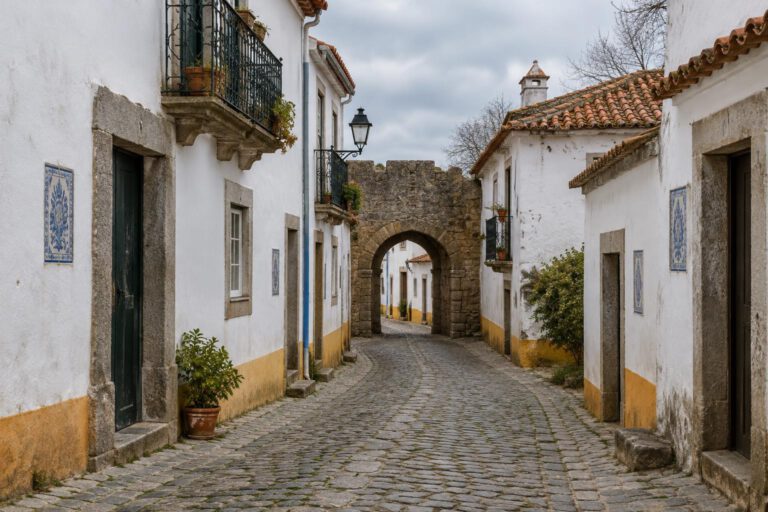
The landscape provides the context. Turismo de Portugal describes vast plains, cork oaks and olive trees, with small towns and villages scattered across the countryside. The Alentejo is large and varied: alongside its open interior, the region also encompasses a coastline and northern hills. For winter visitors, its dishes offer a good introduction to this landscape – and it is worth allowing time for journeys between towns and villages.
Bread as the foundation
In Alentejo cooking, bread becomes more than a side dish. For Açorda, it is combined with water, olive oil, garlic and coriander; a poached egg completes this simple dish. Migas, too, is based on bread. It is prepared in various ways and served with dishes such as roast pork. The bread absorbs liquid and flavour, turning just a few ingredients into a complete meal.
Olive oil is just as much a staple. The Portuguese tourism organisation lists several areas with protected designation of origin status, including Moura, Alentejo Interior and Norte Alentejano. This opens up a second route through the region: oil is not merely a seasoning, but a product whose origins can be traced to particular areas. A piece of warm bread dipped in oil – known as tiborna – is a simple way to discover the differences between oils, where tastings are available.
Winter on a plate
The changing seasons are particularly apparent in the dishes. According to Turismo de Portugal, summer menus feature fresh fish from the coast and cold gazpacho; in autumn, game dishes and sausages come to the fore. For winter, the organisation highlights roast pork with Migas. It is a hearty combination, with bread remaining the unifying ingredient.
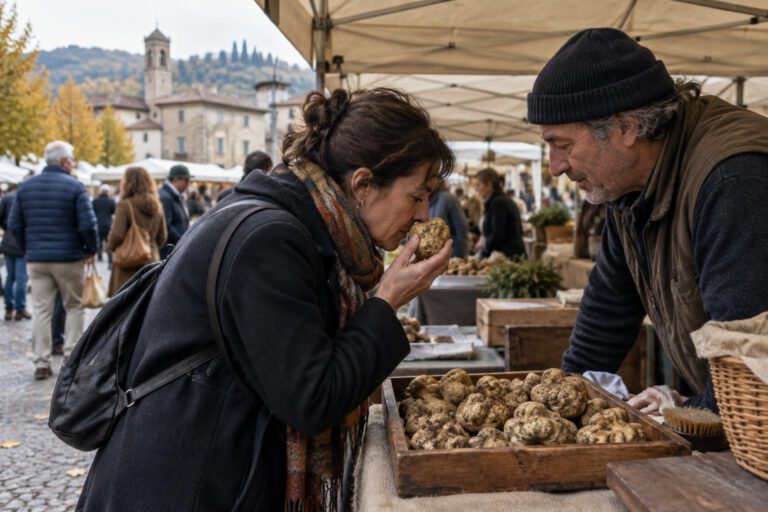
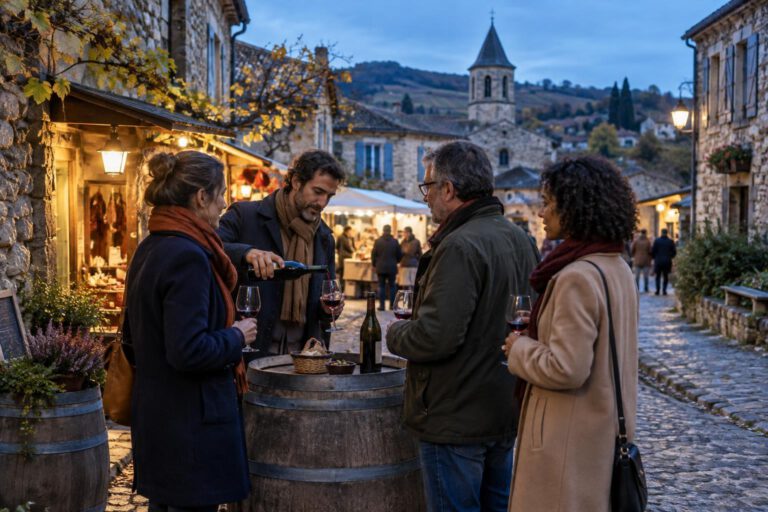
Herbs also give the cuisine its regional character. Coriander belongs in Açorda, while other aromatic herbs such as oregano, rosemary and mint are also mentioned. Then there are sheep’s and goat’s milk cheeses and wines from different parts of the Alentejo. Exploring the cuisine this way allows visitors to make connections, from the staple ingredient of bread through oil and herbs to cheese and wine, rather than simply ticking off individual specialities.
A journey to take slowly
Évora makes a good starting point for a first taste of the region’s cuisine and history. The city is connected to Lisbon by rail; CP publishes the timetables, which should be checked before travelling. According to Turismo de Portugal, the historic centre is around a kilometre and a half from the station. Regional buses are an option for reaching other destinations across the extensive Alentejo; connections and departures depend on the particular town or village.
A day might begin with a walk through Évora’s historic centre and end at the table over Açorda or Migas. Those staying longer can plan their journey around the areas where olive oil and cheese originate, taking in smaller towns and villages along the way. Winter is particularly well suited to travellers interested in hearty cooking, regional produce and quiet landscapes. Those primarily looking for a beach holiday or a packed itinerary hopping from place to place may find conditions more suitable at other times of year. Local offerings and opening hours change, so check ahead before planning to eat at a particular establishment.
At a glance
- Best time to visit: Winter is the natural choice for the region’s winter dishes; the cooking changes with the seasons.
- Getting there: Train connection from Lisbon to Évora; check the CP timetable before departure. Regional buses serve Évora.
- Highlights: Açorda, Migas with pork, olive oil from regional production areas and sweeping landscapes dotted with olive trees and cork oaks.
- One-day tip: Explore Évora’s historic centre on foot and discover the regional cuisine through a bread-based dish.
- Turismo do Alentejo,
Original reviewed by the editors · 15 November 2026