In the Upper Engadin, the announced ski season start dates fall a week apart: Corvatsch near Silvaplana is scheduled to open on 21 November 2026, followed by Corviglia near St. Moritz on 28 November. The regional operating schedule also lists later opening dates for individual lifts – including Furtschellas and Piz Nair from 19 December. The start of the season is therefore not a switch that puts the entire valley into winter mode at once.
When planning a trip, what matters is which lifts are running on the day and which pistes, cross-country trails or walking routes are open. Switzerland Tourism’s snow report lists the dates as season starts; the Engadin tourism organisation explicitly points out that operations and the range of pistes available depend on snow and weather. Anyone travelling for a particular descent or mountain lift should check its current status rather than treating the calendar alone as a promise.
One date, several realities
The winter season at Corvatsch is due to begin on 21 November. The operator lists several lifts and pistes for the opening, but notes that the descents actually open will depend on snow conditions. In St. Moritz, Corviglia is scheduled to open from 28 November; there, too, piste openings are governed by the latest report. Season dates are therefore a guide for planning, not proof that an entire ski area will be ready.
Nor does the Engadin itself open all at once. The operating dates for 2026/27 list 19 December for Sils-Furtschellas, 5 December for individual lifts at Corviglia such as Suvretta–Randolins, and 19 December for the connection to Piz Nair. Anyone combining several villages or ski areas in one trip should consider their individual operating periods separately. The schedule may change; last-minute checks are part of planning.
A winter valley beyond the pistes
The start of lift operations does not automatically mark the beginning of every winter activity. The Engadin offers cross-country skiing, winter walking, snowshoeing and ice skating; whether a particular cross-country trail or walking route is prepared and accessible also depends on conditions. For an early visit, it is therefore worth avoiding a daily itinerary that hinges entirely on a mountain lift. Walks through the villages or time spent in the valley can complement the trip, even if some lifts are still closed.
When winter walking, follow marked routes and observe current closures. The tourism organisation highlights avalanche risks and wildlife protection zones. Away from designated paths, a simple alternative can quickly become an outing requiring alpine experience, equipment and an up-to-date assessment of conditions. Requirements to keep to marked paths also protect sensitive habitats that are particularly vulnerable to disturbance in winter.
Getting there and sustainability claims
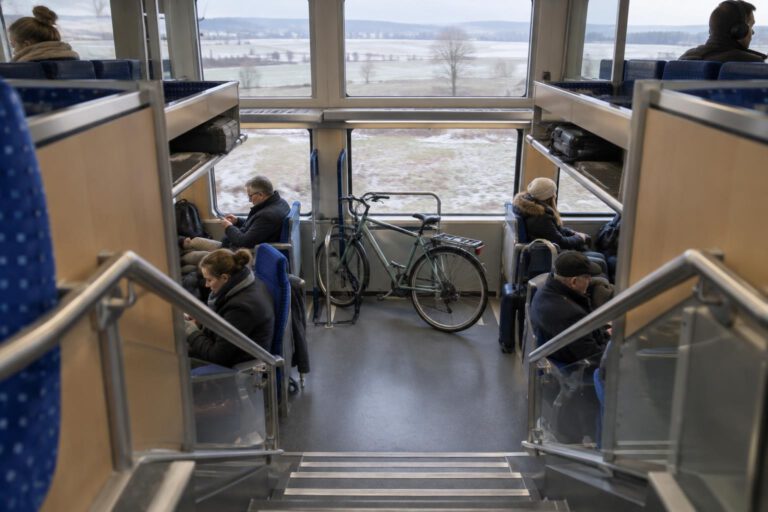
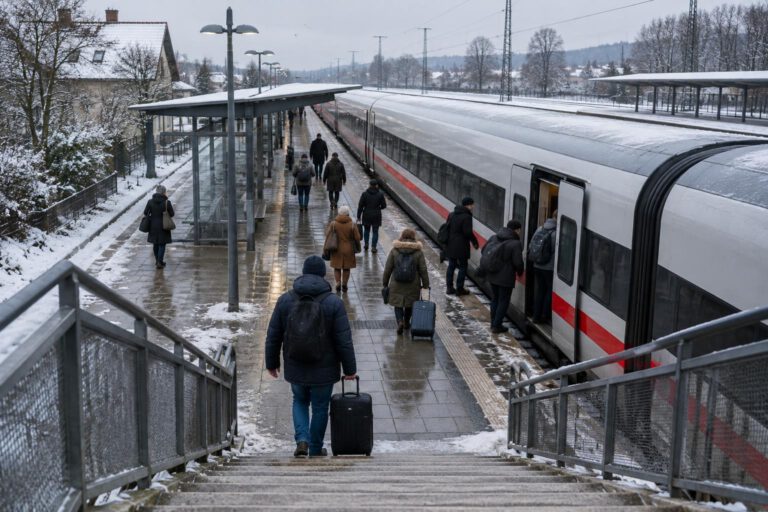
The Rhaetian Railway serves the valley, while local buses and trains connect its villages. For winter 2026/27, the destination offers a public transport package for the Upper Engadin to guests staying more than one night in participating accommodation. The conditions, validity and included routes are specified and should be checked before booking. Anyone arriving by car must factor seasonal mountain pass closures into their route planning.
Sustainability statements from destinations and ski areas are, first and foremost, information supplied by the providers. Switzerland Tourism, for example, presents initiatives by individual ski areas; such projects alone say nothing about the overall impact of a trip. Travel to the destination, the energy required by lifts, snowmaking and local transport must also be considered. The train can make the journey easier and avoid car traffic, but it does not remove the need to check which services and activities are actually operating.
The start of winter is particularly suited to travellers who plan flexibly and want to experience the valley even without skiing available throughout. Anyone whose main reason for travelling is a particular piste, lift or altitude should base their visit on the reported operating status. For the 2026/27 season, the crucial question is therefore not simply when a region opens, but what is actually accessible on that day.
Original reviewed by the editors · 15 November 2026