In winter, the Wadden Sea around Ribe becomes a temporary landscape. At low tide, the seabed lies exposed; as the tide rises, the water returns. Visitors are therefore better off planning around the tides and weather than a long list of sights. Oyster safaris and other guided tours are seasonal options, but whether they run and where they go depends on the day’s conditions.
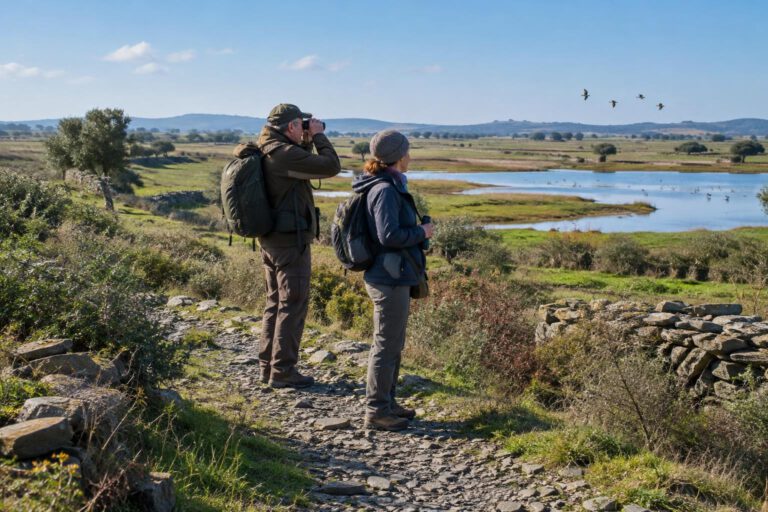
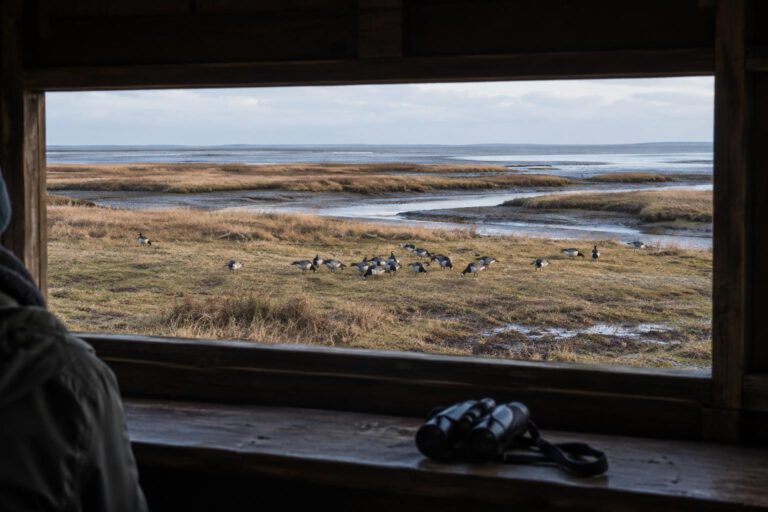
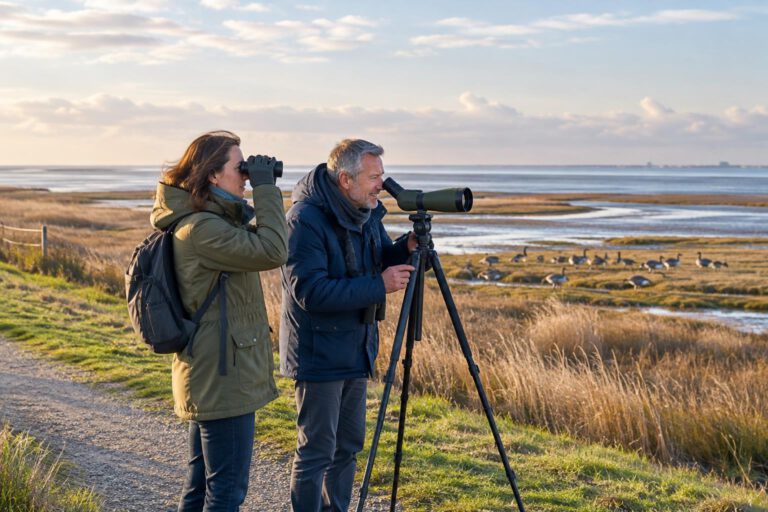
The Danish Wadden Sea forms part of a vast cross-border natural area listed as a UNESCO World Heritage Site. Its tidal creeks, sandbanks and mudflats are shaped by the ebb and flow of the tides. In winter, these shifting patterns play out in scarce daylight across an open, windswept expanse. For nature enthusiasts, the appeal lies in noticing the changes: where water collects, which areas are exposed at low tide and how birds use the coast.
Ribe as a base
The town of Ribe lies close to the Wadden Sea, combining a coastal stay with a fixed base for weather-dependent outings. Vadehavscentret, in Vester Vedsted near Ribe, introduces visitors to the landscape and its wildlife. Its exhibition explores subjects including life on the mudflats and migratory birds; outside, the landscape it describes begins. The building features thatch and dark wooden slats, drawing on materials from the coastal region.
A visit to the centre is worthwhile even when a trip onto the mudflats is not an option. For winter 2026/27, Vadehavscentret lists regular opening hours from 1 November to 22 December 2026 and from 4 January 2027. It is closed from 23 December to 3 January inclusive. According to the centre, guided tours may also take place outside general opening hours; dates and conditions vary.
Outdoors, the tide decides
According to the operator, an oyster safari with Vadehavscentret begins with an introduction before heading to a suitable area, depending on the water level. Short tours cross the exposed seabed, with the nature guide also sharing insights into birds, bottom-dwelling creatures and the Wadden Sea. Other options are longer or more demanding. Routes, meeting points and requirements differ, so suitable clothing and the specific tour description need to be part of your planning.
The same principle applies throughout the day: a walk on the mudflats is not a spontaneous stroll along the beach. Mudflats, tidal creeks and incoming water require navigation skills and experience. Anyone joining a guided tour should stay with the group and follow the nature guides’ instructions. This makes dependence on the tides not an obstacle, but the very essence of the outing.
In winter, the landscape is also a good choice for travellers who prefer quiet wildlife watching to a packed itinerary. Those seeking warmth, sheltered paths and predictable schedules will find the season less suitable. Windproof and waterproof clothing, sturdy footwear and a flexible schedule are essential for outdoor excursions.
Getting there and planning your day
Ribe has a railway station on the line between Esbjerg and Tønder. Vadehavscentret is outside the town in Vester Vedsted. For the onward journey, travellers should check the current bus timetable or the transfer arrangements for their booked tour. On some tours, participants must make their own way to the meeting point; others specify a pick-up point in Ribe.
A simple sequence works well for a day trip: first the exhibition at Vadehavscentret, then out onto the mudflats – if a suitable guided tour is running and water levels and weather allow. The plan is deliberately open-ended; a tour may be rescheduled or cancelled. Anyone exploring without a guide should stick to accessible paths and designated areas.
At a glance
- Best time to visit: the winter months for selected oyster safaris; dates and conditions vary.
- Getting there: by train to Ribe; plan the onward journey to Vester Vedsted in advance.
- Highlights: the exhibition at Vadehavscentret and guided tours into the Wadden Sea.
- Tip for a day trip: combine the exhibition with a pre-booked guided tour, provided the tide and weather cooperate.
- Further information: Vadehavscentret.
Original reviewed by the editors · 17 November 2026