At first glance, a woodland path on La Gomera and a fold-out timetable in Baden-Württemberg have little in common. In our articles this week, they touch on the same question: who can come along? Who can manage the route, make sense of the connection, organise the outing independently? For me, this is a defining quality of travel: how many different people a place is genuinely open to.
Freedom to travel is often described in terms of choice. More destinations, more connections, more possibilities. I find this view incomplete. A possibility only becomes a freedom when it can actually be used. Between the idea of a place within reach and its actual accessibility, there may be a steep slope, a missing printout or information available only on your own phone.
A short walk is a journey in its own right
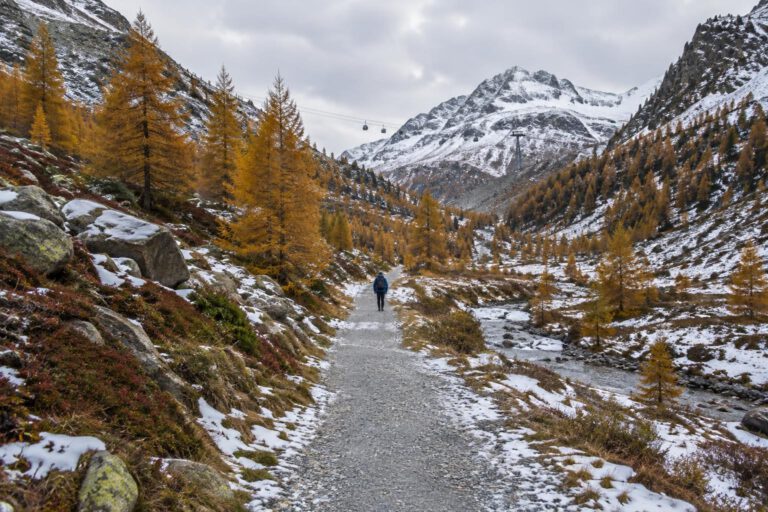
Our portrait of La Gomera focuses on short woodland paths for people with varying walking abilities. The tourism organisation describes certain paths as adapted. That calls for precise details about their condition; such a term does not establish suitability for every mobility limitation. Yet the thinking behind it deserves more space: travelling together must not depend on everyone being able to walk the same distance.
I would like to see an understanding of travel that takes a short circuit as seriously as a challenging hike. The length of a route tells us little about what someone discovers along it. Making an experience of nature dependent on stamina turns the landscape into a test of performance. The literary figure of the tireless walker is also a poor model for travel in general: it often fails to ask about those left behind.
Progress needs more than one way in
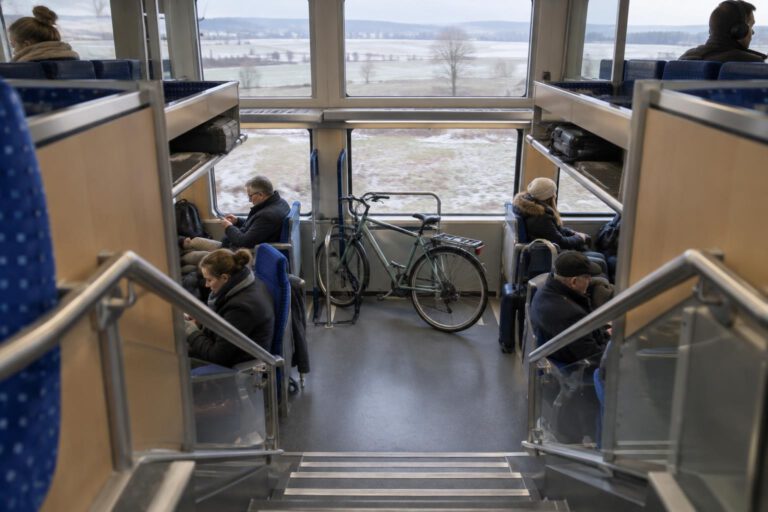
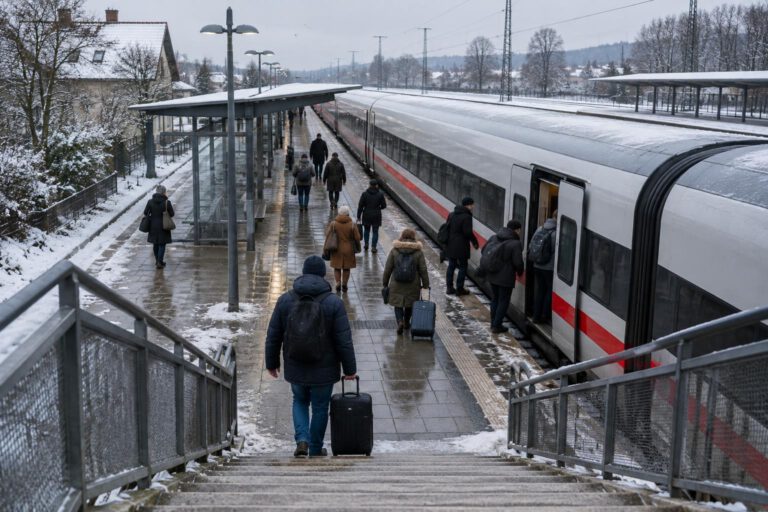
The same question takes a technological form when travelling by train. With the timetable change in December 2026, DB Regio Baden-Württemberg will discontinue its printed fold-out route timetables, offering PDF files instead. Our article “Train travel without an app: what helps when fold-out timetables disappear” is therefore about far more than a preference for paper.
The railway operator gives good reasons: digital information can be updated more quickly during engineering works and last-minute changes; resources are also to be saved. A printed timetable cannot bring back a cancelled service. Nevertheless, a PDF shifts the task of printing to passengers. Anyone expanding digital services should therefore also explain how people without a smartphone constantly to hand can obtain reliable information. Technological progress convinces me when it creates greater independence.
Oulu takes a different approach. The Finnish city keeps its cycle network usable even in winter. Regular path maintenance underpins the ability to get around on two wheels. Our portrait rightly distinguishes this everyday network from a tourist winter route that can be reliably planned from start to finish. There is a fruitful perspective in that very distinction: a city becomes interesting to visitors through the things that make everyday life easier for its residents.
Openness must show in the details
History, too, can be explored from this perspective. Bamberg combines medieval street plans and Baroque architecture with its hill, island and market gardeners’ districts. Explaining these connections opens up a different way in from a mere succession of famous buildings. For me, clarity is as much a part of hospitality as a path that is easy to walk.
Of course, no place can meet every need. Protected areas need boundaries, historic cities have challenging terrain, and transport systems have limited resources. For me, this calls for precision: which barriers are unavoidable, and which could be removed? An open world of travel can be recognised by how carefully it handles these distinctions. Its freedom is also measured by the people who can come along.
Original reviewed by the editors · 14 November 2026